
- 18 Aug 2026
- 483 Views
- 7 minutes read
What Is Crypto Staking? A Beginner's Guide to Staking and Proof of Stake
As blockchain technology continues to evolve, new ways of participating in digital networks are becoming more common. One of the most important concepts to understand is crypto staking.
If you've heard people talk about "staking crypto" or "earning staking rewards," you may wonder what it actually means.
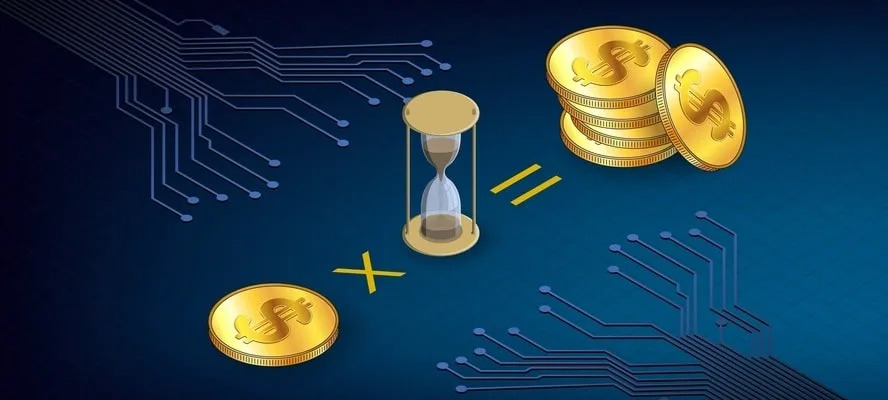
At its simplest, staking involves committing cryptocurrency to support a blockchain network that uses a Proof of Stake (PoS) consensus mechanism. In return, participants may receive rewards according to the rules of that particular network.
However, staking isn't simply a way to earn extra cryptocurrency. It involves technical, market, and platform-specific risks that users should understand before participating.
This guide explains crypto staking in simple terms and shows how it fits into the broader blockchain ecosystem.
What Is Crypto Staking?
Crypto staking is the process of committing cryptocurrency to a blockchain network that uses Proof of Stake to help support network operations.
Participants who stake their assets may help the network:
- Validate transactions
- Maintain network security
- Confirm new blocks
- Participate in blockchain consensus
In exchange for contributing to the network, participants may receive staking rewards.
The exact reward structure depends on the blockchain and its rules.
How Does Staking Work?
The process can vary between blockchain networks, but the basic idea is similar.
Step 1: Choose a Proof of Stake Network
First, a user selects a blockchain that supports staking.
Different networks have different requirements, reward structures, lock-up periods, and risks.
Step 2: Commit Cryptocurrency
The user commits a certain amount of cryptocurrency to the network or to a staking service.
The assets may be locked or otherwise committed according to the network's rules.
Step 3: Participate in Network Validation
Validators help confirm transactions and maintain the blockchain.
Some networks allow users to operate their own validator nodes, while others allow users to delegate their assets to existing validators.
Step 4: Receive Potential Rewards
Participants may receive rewards for contributing to the network.
However, rewards aren't guaranteed and can vary depending on network conditions, protocol rules, fees, and other factors.
What Is Proof of Stake?
Proof of Stake is a blockchain consensus mechanism designed to allow networks to reach agreement without relying on the intensive computational mining used by Proof of Work.
Instead of competing to solve computational puzzles, participants can commit cryptocurrency as a stake.
The network uses predefined rules to determine how validators participate in block production and transaction validation.
You can learn more about this system in our article Proof of Work vs. Proof of Stake.
Staking vs. Crypto Mining
Staking and mining can both support blockchain networks, but they work differently.
Mining
Proof of Work networks use computational power to validate blocks.
Mining generally requires specialized hardware and significant electricity.
Staking
Proof of Stake networks use participants who commit cryptocurrency to support network validation.
Staking generally requires significantly less computational power than traditional Proof of Work mining.
Understanding this difference is important when learning how different blockchain networks operate.
What Are Staking Rewards?
Staking rewards are incentives distributed to participants according to a blockchain's protocol.
The amount a participant receives can depend on factors such as:
- The amount staked
- The duration of participation
- Network activity
- Validator performance
- Protocol rules
- Fees
A displayed annual percentage rate should not automatically be interpreted as guaranteed profit.
The value of the cryptocurrency itself can also change significantly.
Different Ways to Stake Cryptocurrency
There isn't just one way to participate in staking.
Running Your Own Validator
Some blockchain networks allow participants to operate their own validator nodes.
This can provide greater control but may require:
- Technical knowledge
- Reliable infrastructure
- A minimum amount of cryptocurrency
- Ongoing monitoring
This approach is generally more advanced.
Delegated Staking
Some networks allow users to delegate their assets to a validator.
The validator performs the technical work while the delegator participates in the network's staking system.
Fees and conditions vary between validators.
Staking Through a Platform
Some cryptocurrency platforms offer staking services directly.
This can be more convenient for beginners, but users should carefully research the platform, its fees, custody arrangements, withdrawal conditions, and applicable regulations.
Convenience should never replace due diligence.

Potential Benefits of Staking
Staking can offer several potential advantages.
Supporting Blockchain Networks
Staking allows participants to contribute to the operation and security of Proof of Stake networks.
Potential Rewards
Some networks distribute rewards to participants who help maintain the network.
Lower Energy Requirements
Compared with Proof of Work mining, Proof of Stake generally requires much less computational energy.
Greater Participation
Staking can give users another way to participate in blockchain ecosystems beyond simply buying or selling digital assets.
Risks of Crypto Staking
Understanding the risks is just as important as understanding the potential benefits.
Cryptocurrency Price Volatility
Even if you receive staking rewards, the underlying cryptocurrency can lose value.
For example, receiving additional tokens does not necessarily mean your overall position has increased in value.
Lock-Up Periods
Some staking systems require assets to remain committed for a specific period.
During that time, you may not be able to immediately access or sell them.
Validator Risks
If you delegate your assets to a validator, the validator's performance and behavior may affect your experience.
Some networks also apply penalties under specific circumstances.
Platform Risk
If you use a third-party staking service, you're relying on that platform's security, policies, and infrastructure.
Research the provider before transferring assets.
Changing Reward Rates
Staking rewards can change over time.
A reward rate displayed today may not remain the same in the future.
How Beginners Can Research Staking Opportunities
Before participating in any staking opportunity, take time to understand the details.
Read the Official Documentation
Start with the blockchain's official documentation.
Look for information about:
- Minimum staking requirements
- Reward mechanisms
- Validator requirements
- Lock-up periods
- Unstaking rules
- Network penalties
Understand the Fees
Some validators and platforms charge fees.
A higher advertised reward doesn't necessarily mean a better overall result if fees are also higher.
Check the Risks
Ask yourself what could happen if:
- The cryptocurrency price falls
- The platform experiences a security issue
- Your assets become temporarily inaccessible
- The reward rate changes
Understanding downside scenarios is an important part of responsible decision-making.
Staking and Financial Education
Crypto staking is a good example of why financial and technical education matter in the digital economy.
A simple "earn rewards" message doesn't tell the whole story.
To evaluate staking properly, users need to understand:
- Blockchain technology
- Market volatility
- Risk management
- Wallet security
- Platform custody
- Network mechanics
Our article Why Financial Education Matters explores why building these skills is increasingly important.
How Staking Fits Into Web3
Staking is closely connected to the broader Web3 ecosystem.
Web3 applications rely on blockchain infrastructure, while Proof of Stake networks provide an alternative way to maintain decentralized systems.
Staking can therefore be viewed as one part of a much larger technological ecosystem involving:
- Blockchain networks
- Smart contracts
- Digital wallets
- Decentralized applications
- DeFi
- DAOs
If you're new to this ecosystem, our guide What Is Web3? is a good place to start.
What Beginners Should Remember
If you're considering learning about staking, keep these principles in mind:
Don't Focus Only on the Reward Rate
A high reward percentage doesn't automatically mean a better opportunity.
Consider the network, asset, risks, fees, and conditions together.
Never Ignore Security
Protect your wallet and private information, and carefully verify the platform or validator you're using.
Our guide What Is a Crypto Wallet? explains the basics of wallet security.
Learn Before Participating
You don't need to stake cryptocurrency simply because it's available.
Understanding the technology first can help you make more informed decisions later.
Final Thoughts
Crypto staking is an important part of the Proof of Stake ecosystem and has changed how blockchain networks can be secured and maintained.
For participants, staking may provide an opportunity to contribute to a blockchain network and potentially receive rewards. But those rewards come with risks, and the value of the underlying cryptocurrency can fluctuate significantly.
The smartest starting point isn't choosing a staking platform-it's understanding how staking works.
The more you learn about blockchain, Proof of Stake, digital wallets, and financial risk, the better prepared you'll be to navigate the digital economy.
Continue Learning with OurTeamClub
At OurTeamClub, we believe that education should come before participation.
Our content helps beginners and experienced learners understand blockchain technology, cryptocurrency, Web3, financial literacy, and emerging digital opportunities in a simple and practical way.
If you're building your knowledge step by step, explore our Earn With Us section and continue discovering how blockchain and digital technologies are shaping the modern economy.
Start with knowledge. Understand the risks. Make informed decisions.
Автор:
Marcus Reed
Recent posts
- What Is Crypto Market Cap? A Beginner’s Guide to Cryptocurrency Valuation
- What Is a Crypto Exchange? CEX vs. DEX Explained
- What Is Ethereum? A Beginner’s Guide to ETH and the Ethereum Network
- What Is Bitcoin? A Beginner's Guide to the World's First Cryptocurrency
- How Do Crypto Transactions Work? A Beginner's Guide