
- 26 Sep 2026
- 238 Views
- 8 minutes read
What Is a Crypto Exchange? CEX vs. DEX Explained
If you are new to cryptocurrency, one of the first things you will probably encounter is a crypto exchange.
Crypto exchanges are platforms that allow people to buy, sell, swap, and sometimes store digital assets. But not all exchanges work in the same way.
Some are operated by companies and provide a centralized service. Others use blockchain technology and smart contracts to facilitate transactions without relying on a traditional centralized operator.
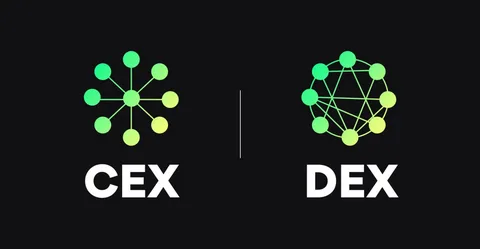
These two models are generally known as centralized exchanges (CEXs) and decentralized exchanges (DEXs).
Understanding how they work can help beginners navigate the crypto ecosystem more confidently.
What Is a Crypto Exchange?
A crypto exchange is a platform where users can trade or exchange digital assets.
Depending on the platform, users may be able to:
- Buy cryptocurrency with traditional currency
- Sell cryptocurrency
- Exchange one cryptocurrency for another
- Transfer digital assets
- View market prices
- Manage their crypto holdings
- Use additional financial or blockchain-related services
The exact features vary from one exchange to another.
Some exchanges are designed mainly for beginners and provide a simple interface, while others offer advanced trading tools and access to a larger selection of digital assets.
How Does a Crypto Exchange Work?
At a basic level, an exchange connects people who want to buy or sell digital assets.
For example, imagine that one person wants to buy ETH while another wants to sell ETH.
An exchange can facilitate the transaction between them according to its operating model.
The process may involve:
- Creating an account or connecting a wallet.
- Depositing funds or cryptocurrency.
- Selecting the asset to buy, sell, or swap.
- Entering the transaction details.
- Reviewing the applicable fees.
- Confirming the transaction.
- Receiving the purchased or exchanged asset.
The exact process depends on whether you are using a centralized or decentralized exchange.
What Is a Centralized Exchange?
A centralized exchange, or CEX, is operated by a company or organization.
Users typically create an account and interact with the exchange through a website or mobile application.
The exchange manages much of the infrastructure required to facilitate trading.
Depending on the platform and jurisdiction, users may be required to complete identity verification before accessing certain services.
Centralized exchanges commonly provide features such as:
- Account management
- Trading interfaces
- Market charts
- Deposits and withdrawals
- Customer support
- Security systems
- Multiple trading pairs
For someone entering the crypto market for the first time, the centralized model can feel familiar because it resembles other online financial platforms.
What Is a Decentralized Exchange?
A decentralized exchange, or DEX, uses blockchain technology and smart contracts to facilitate certain types of cryptocurrency trading.
Instead of depositing assets into a traditional exchange account, users generally connect a compatible crypto wallet.
The smart contracts involved in the exchange process execute according to programmed rules.
DEXs are closely connected with the broader DeFi ecosystem.
Because users interact directly with blockchain infrastructure, using a DEX usually requires a basic understanding of wallets, network fees, blockchain transactions, and smart contracts.
What Is Crypto Custody?
One of the most important concepts when comparing exchanges is custody.
When you hold cryptocurrency on a custodial platform, the platform may control the private keys associated with the assets.
With a self-custodial wallet, the user generally controls the private keys or recovery credentials.
This creates an important distinction:
Custodial: another platform manages the wallet infrastructure.
Self-custodial: you are responsible for controlling and protecting your wallet credentials.
Self-custody provides greater direct control, but it also means that the user takes on greater responsibility for security.
If recovery credentials are lost or exposed, recovering access may be extremely difficult or impossible.
What Are Crypto Exchange Fees?
Exchanges can charge different types of fees.
Common examples include:
- Trading fees
- Withdrawal fees
- Deposit fees
- Network fees
- Conversion or spread-related costs
The fee structure can differ significantly between platforms and transactions.
For example, a blockchain network fee is different from a fee charged by an exchange.
Before confirming a transaction, check the total cost rather than looking only at the advertised trading fee.
What Is a Crypto Trading Pair?
A trading pair represents two assets that can be exchanged against each other.
For example:
BTC/USDT
This means Bitcoin is being traded against USDT.
Another example could be:
ETH/BTC
The first asset is the base asset, while the second is the quote asset.
Trading pairs allow users to compare the value of one digital asset relative to another.
Understanding trading pairs is particularly useful when navigating exchange interfaces for the first time.
What Is an Order Book?
Many centralized exchanges use an order book.
An order book is a record of buy and sell orders submitted by market participants.
For example:
- Buyers submit bids.
- Sellers submit asks.
- The exchange matches compatible orders.
The difference between the highest available buying price and the lowest available selling price is commonly referred to as the spread.
Order books are an important part of how many traditional and centralized crypto markets operate.
How Do DEXs Use Liquidity Pools?
Many decentralized exchanges use liquidity pools instead of a traditional order book.
A liquidity pool contains digital assets deposited into a smart contract.
These assets can be used to facilitate swaps between different tokens.
Participants who provide liquidity may receive rewards according to the specific protocol's rules.
However, providing liquidity involves risks, including smart-contract risk, asset price changes, and potential impermanent loss.
Understanding the mechanics of a liquidity pool is therefore important before depositing assets into one.
What Is Slippage?
Another concept beginners may encounter when using exchanges is slippage.
Slippage occurs when the final execution price of a transaction differs from the price expected when the transaction was initiated.
This can happen because of:
- Low liquidity
- Large transactions
- Rapid market movements
- Changes in available orders or liquidity
DEX users may encounter slippage particularly when trading assets with limited liquidity.
Checking the expected execution price and applicable slippage settings can help users understand what they are agreeing to before confirming a transaction.
Crypto Exchanges and Wallets
Exchanges and wallets are related, but they are not the same thing.
A crypto exchange is primarily a platform for buying, selling, or exchanging digital assets.
A wallet is a tool for managing blockchain addresses and signing transactions.
Some centralized exchanges provide custodial wallets as part of their services.
With decentralized exchanges, users generally connect their own wallet directly to the application.
If you are new to crypto, understanding wallets is an important step before using decentralized applications.
Our guide What Is a Crypto Wallet? explains the main types of crypto wallets and how they work.

Are Crypto Exchanges Safe?
There is no universal answer because security depends on the specific platform, technology, operational practices, and user behavior.
Centralized platforms can face risks such as:
- Account compromises
- Phishing
- Operational failures
- Security breaches
- Withdrawal restrictions
- Regulatory changes
Decentralized applications can face different risks, including:
- Smart-contract vulnerabilities
- Malicious contracts
- Fake tokens
- Phishing websites
- Wallet compromises
- Blockchain network issues
Users should research a platform before using it and avoid assuming that a familiar-looking website is automatically legitimate.
How to Stay Safer When Using Crypto Exchanges
A few basic security practices can significantly reduce common mistakes.
Verify the Website
Always check that you are using the correct website or application.
Phishing websites can be designed to look almost identical to legitimate platforms.
Protect Your Account
For custodial exchanges, use strong passwords and available multi-factor authentication methods.
Never share login credentials or authentication codes.
Protect Your Wallet
If you use a self-custodial wallet, protect your recovery phrase and private keys.
Never enter your recovery phrase into an unfamiliar website.
Check Transactions Carefully
Before confirming a transaction, check:
- Wallet address
- Network
- Asset
- Amount
- Fees
- Recipient
- Transaction details
A small mistake can sometimes result in a permanent loss of funds.
Be Careful With Unknown Tokens
Receiving an unfamiliar token does not necessarily mean it is valuable or legitimate.
Avoid interacting with unknown assets or links without understanding what they are.
For more security advice, read our article on how to identify crypto scams.
CEX and DEX: Which One Should Beginners Understand?
Instead of thinking about centralized and decentralized exchanges as competing versions of exactly the same product, it is more useful to understand their different structures.
A centralized exchange generally provides a managed platform with account-based services and a company operating the infrastructure.
A decentralized exchange allows users to interact more directly with blockchain-based protocols and smart contracts.
The differences affect:
- Control
- Convenience
- Security responsibilities
- Fees
- Privacy
- Technical complexity
- Asset custody
Learning these differences gives users a better foundation for making informed decisions about how they interact with crypto markets.
How Exchanges Connect to the Wider Crypto Ecosystem
Crypto exchanges are only one part of the larger blockchain ecosystem.
A typical crypto journey might involve several technologies:
Exchange → Wallet → Blockchain → Smart Contract → DeFi Application
For example, someone may acquire ETH through an exchange, transfer it to a personal wallet, and then use that wallet to interact with an Ethereum-based application.
Each step introduces different technical considerations.
This is why understanding individual concepts such as wallets, transactions, smart contracts, and blockchain networks is so useful.
Final Thoughts
Crypto exchanges provide an important connection between users and the digital asset ecosystem.
Centralized exchanges offer an account-based model operated by companies, while decentralized exchanges use blockchain technology and smart contracts to facilitate transactions more directly.
Neither model should be approached without understanding its risks and responsibilities.
For beginners, the most important step is not simply learning how to place a trade. It is learning how wallets, transactions, blockchain networks, fees, custody, and smart contracts work together.
The more you understand the technology behind a transaction, the better prepared you are to evaluate the platforms and services you encounter in the crypto ecosystem.
Continue Learning About Crypto and Web3
At OurTeamClub, we believe that understanding financial and blockchain technologies starts with education.
Explore our educational resources to learn more about cryptocurrencies, blockchain, Web3, wallets, DeFi, and other technologies shaping the digital economy.
Before using any crypto service, take time to understand how it works, what risks are involved, and how you can protect your digital assets.
Written by
Skye Jensen
Recent posts
- What Is Crypto Market Cap? A Beginner’s Guide to Cryptocurrency Valuation
- What Is Ethereum? A Beginner’s Guide to ETH and the Ethereum Network
- What Is Bitcoin? A Beginner's Guide to the World's First Cryptocurrency
- How Do Crypto Transactions Work? A Beginner's Guide
- Crypto Portfolio Management: A Beginner's Guide to Managing Digital Assets